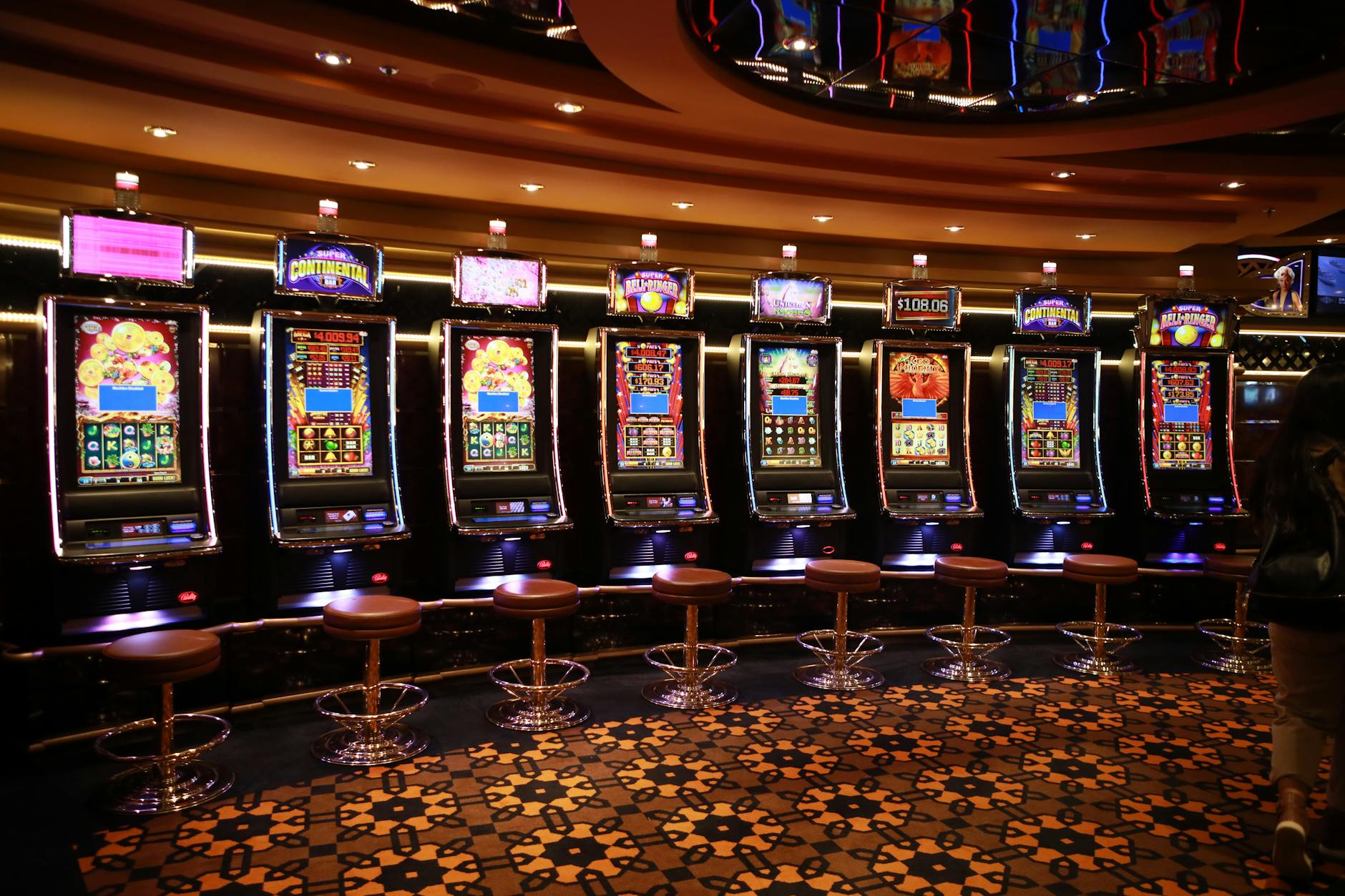
Slot machines are a staple in casinos and gambling establishments worldwide, captivating players with colorful graphics and enticing sounds. Behind their entertaining exterior lies a complex blend of technology and psychology designed to engage users and encourage them to play for longer periods. This article delves into the mechanics of slot machines, offering insights into their inner workings, and examining strategies that can enhance the gaming experience.
At the heart of every slot machine is a random number generator (RNG), a critical component that ensures fairness and unpredictability in gameplay. The RNG continuously generates numbers, even when the machine is not being played. When a player presses the button or pulls the lever, the RNG selects a combination of symbols based on the current numbers generated. This process occurs in a fraction of a second, resulting in the immediate outcome seen on the screen.
Types of Slot Machines
There are various types of slot machines, each offering different experiences. Traditional three-reel machines tend to feature simpler mechanics and are often associated with nostalgia. Video slots, on the other hand, can have five or more reels and are equipped with multiple paylines, bonus games, and progressive jackpots that increase with every bet placed on the machine. According to the American Gaming Association, video slots account for over 70% of casino revenues, highlighting their popularity.
Understanding Payout Percentages
Payout percentages, also known as return to player (RTP), are crucial metrics that indicate how much of the money wagered on a slot machine is paid back to players over time. For instance, if a slot machine has an RTP of 95%, it means that, theoretically, players can expect to receive back $95 for every $100 wagered, over an extended period. However, this statistic does not guarantee individual results and is based on the long-term behavior of the machine.
The Role of Psychology in Slot Machines
Slot machines are designed not only with mechanics but also with psychological principles in mind to enhance player engagement. Features such as near-miss scenarios, where a player almost hits a winning combination, can trigger dopamine responses similar to those found in addictive behaviors. Additionally, the use of bright lights, sounds, and celebratory animations creates an immersive experience that keeps players returning for more.
Strategies for Playing Slot Machines
While slot machines are predominantly games of chance, players can employ strategies to potentially enhance their experience. First, it is essential to choose machines with higher RTP percentages, as these generally offer better long-term payouts. Moreover, setting a budget and adhering to it can prevent overspending, allowing players to enjoy the gaming experience without financial strain. Lastly, understanding the differences between high variance and low variance slots can help players decide which machines align with their risk tolerance and gameplay preferences.
Leave a Reply