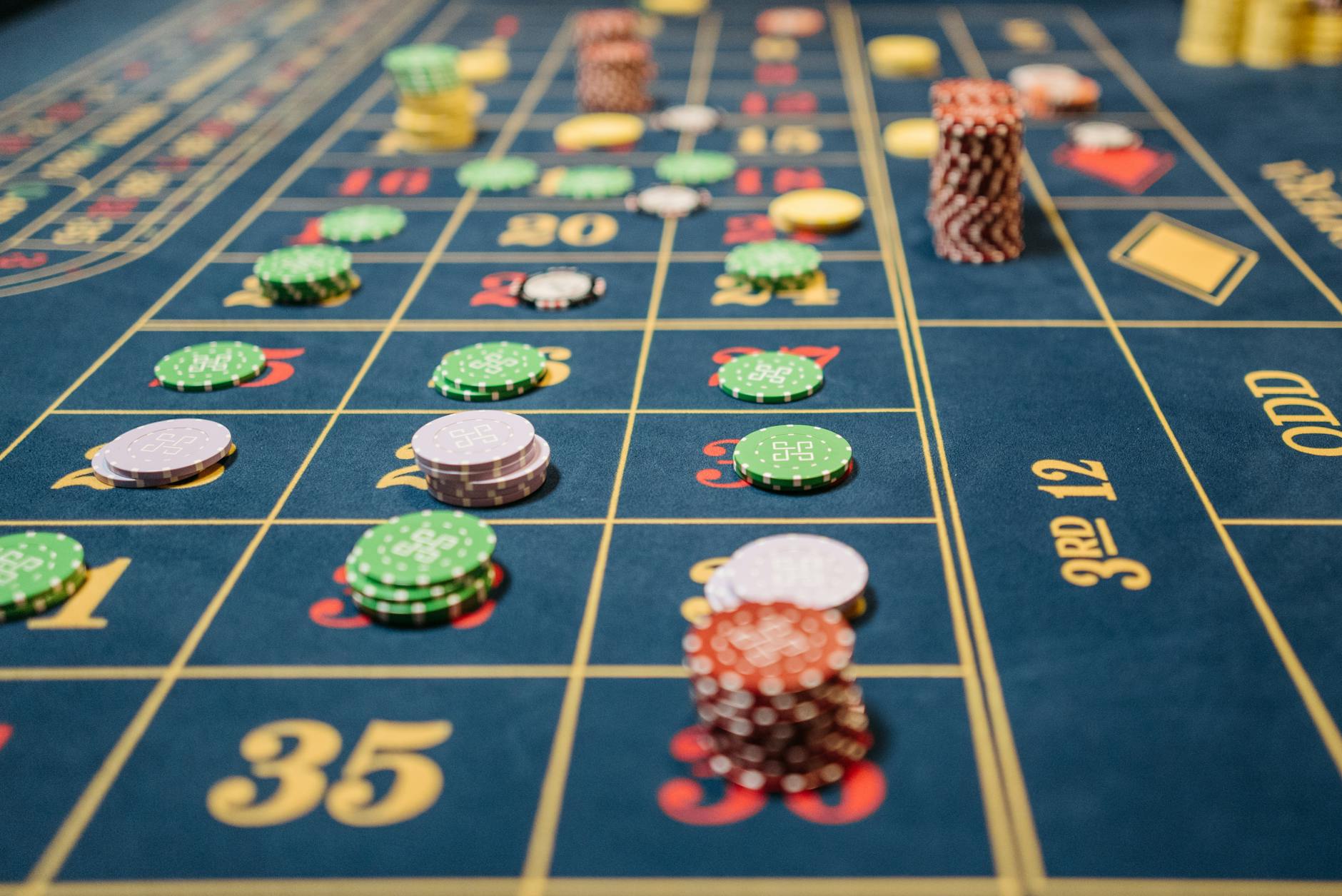
Casino games have evolved dramatically over the years, becoming a complex blend of psychology, mathematics, and artistry. The design process is not simply about creating a game; it involves understanding player behavior, establishing engagement strategies, and ensuring the game is enjoyable while also profitable for the casino. This article explores the intricate steps involved in designing casino games, revealing the elements that keep players coming back.
Game designers must strike a balance between risk and reward, making mathematical probability a crucial component of game design. Understanding the house edge is essential; for instance, in slot machines, the house edge can typically range from 2% to 15%, depending on the game. This percentage dictates not only the game’s profitability but also influences player engagement strategies. By manipulating payout structures and the frequency of wins, designers can create a game that feels rewarding without sacrificing profitability.
Psychological Aspects of Game Design
One of the most fascinating aspects of casino game design is its reliance on psychology. Gamblers are driven by various factors, including emotions and cognitive biases. Designers utilize techniques such as variable reinforcement schedules, where players receive unpredictable rewards, leading to increased engagement. This approach is often compared to how slot machines operate, where the intermittent wins keep players hopeful and engaged, encouraging longer play sessions.
Visual and Audio Elements in Game Experience
A game’s aesthetics play a pivotal role in attracting players. Designers carefully select colors, themes, and sounds that evoke excitement and create a vibrant atmosphere. For example, bright colors and dynamic animations in slot machines aim to create an uplifting environment, while table games may feature more subdued colors to convey sophistication. Additionally, the sound effects accompanying wins can amplify the player’s experience; the sound of coins cascading down, for instance, can trigger emotions akin to real-life success, enhancing satisfaction.
Testing and Iteration in Game Development
No game is released without rigorous testing and iteration. Designers often conduct focus groups or beta tests to gather feedback on gameplay mechanics and overall player enjoyment. During this phase, adjustments can be made based on player responses, whether that means modifying the difficulty level, adjusting payouts, or changing the design layout. Continuous testing ensures that the final product meets both player expectations and casino requirements.
The Future of Casino Game Design
As technology progresses, the landscape of casino game design is ever-changing. Virtual reality (VR) and augmented reality (AR) are beginning to influence the creation of immersive gaming experiences that blur the lines between physical and digital gambling. For example, VR casinos allow players to interact with games in an entirely new way, providing a social atmosphere akin to traditional casinos while still enjoying the comforts of home. This innovation poses exciting possibilities for the future of game design, expanding the boundaries of what players can experience.
Leave a Reply